As of 2026, around 1.56–1.57 billion people worldwide are self-employed, freelancers, or independent workers — roughly 46–47% of the global workforce, according to modeled ILO estimates and World Bank data.
Broader informal employment is projected to reach 2.1 billion workers in 2026 (ILO Employment and Social Trends 2026). The online gig/freelance segment (digital platforms, knowledge work) is estimated between 154–435 million globally, accounting for up to 12% of the labor force in gig economy terms (World Bank reports).
This number isn’t shrinking.
It’s growing — especially in digital, creative, and knowledge-based fields.
This isn’t a fringe movement.
It’s the labor market reorganizing itself.
Which leads to a simple but uncomfortable truth:
In the coming years, you’ll either work for someone who understands how to run a business — or you’ll need to learn how to run one yourself.
Freelance isn’t a phase. It’s becoming the baseline — particularly for creatives, tech, and knowledge workers.
For decades, traditional employment was the default safety net.
Skills were exchanged for stability, and business literacy was optional.
That assumption no longer holds.
Data from the ILO shows that self-employment and non-standard arrangements are prominent and growing in many sectors, especially digital and creative ones (World Employment and Social Outlook: Trends 2025/2026).
In 2026, creatives aren’t “transitioning” into freelance work.
They are structurally entering it.
Not because everyone dreams of entrepreneurship —
but because the market increasingly rewards autonomy over hierarchy.
Talent alone no longer guarantees leverage
You can be highly skilled.
Creative.
Exceptionally good at your craft.
And still be dependent.
When you don’t understand how value is priced, packaged, and distributed, you don’t control your income — you negotiate it.
Raises and stability come from people who understand business mechanics.
Labor-economics analyses (World Bank, Upwork Future Work Index) highlight the pattern:
Workers with business literacy capture disproportionate value, regardless of role or industry.
In 2026, the real divide isn’t between talent and lack of talent.
It’s between those who understand business systems — and those who don’t.
The most important skill is learning how to support yourself
The most valuable skill in 2026 isn’t another tool, platform, or technique.
It’s the ability to sustain yourself economically.
That means understanding:
How demand forms.
How value compounds.
How systems replace repetition.
How income detaches from hours.
This isn’t about hustle culture.
It’s about structural independence.
Platforms and reports (Upwork, DemandSage) show the fastest-growing segment isn’t new employees — it’s individuals building solo, system-driven income streams.
Creatives aren’t becoming employees. They’re becoming businesses.
The modern creative is no longer just a designer, writer, editor, or developer.
They are a small economic unit.
They package expertise.
They build repeatable systems.
They distribute value directly.
This shift isn’t from job to gig.
It’s from role to operation.
Those who embrace this reality gain autonomy.
Those who ignore it remain exposed to decisions made by others.
Business literacy is the new baseline
Understanding business no longer means raising capital or building startups.
It means knowing how to:
Price work without apology.
Create offers that don’t require constant presence.
Build systems that survive attention gaps.
Protect energy while increasing output.
In a freelance-first economy, business literacy isn’t a competitive edge.
It’s infrastructure.
Independence is no longer radical. It’s practical.
Choosing self-employment used to sound risky.
Today, the greater risk is not understanding how to operate independently.
Markets shift.
Roles disappear.
Platforms change.
But people who know how to create, package, and distribute value adapt.
They don’t wait for permission.
They don’t wait for raises.
They don’t wait for stability.
They build it.
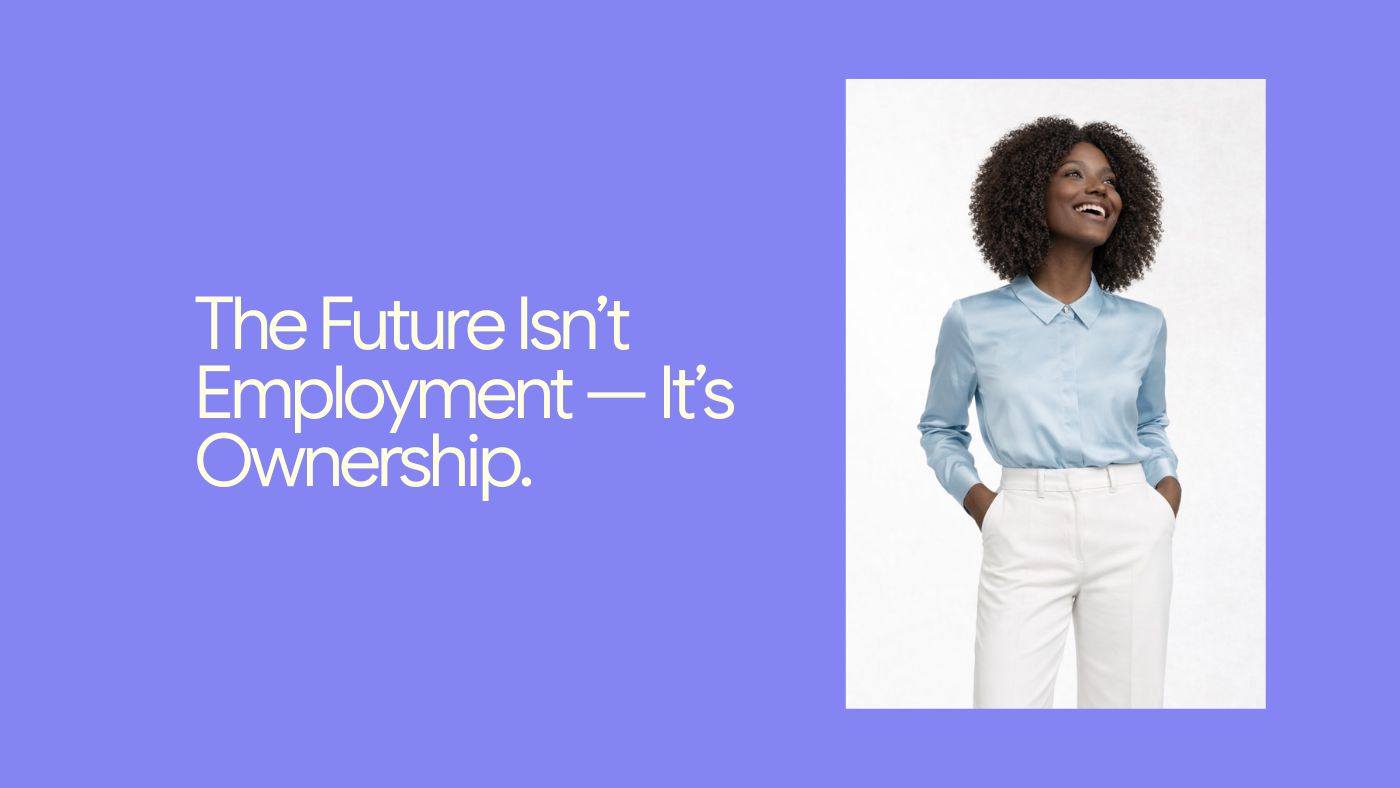
The future is freelance — but only for those who think like owners
Freelance doesn’t mean alone.
It doesn’t mean chaotic.
And it doesn’t mean unstable.
It means ownership over output, systems, and direction.
In 2026, exceptional professionals aren’t becoming employees. They’re becoming their business.
And the ones who learn how to run it will set the terms.