

Open your inbox and scroll.
You’ll probably see:
a few emails you delete without thinking
some you unsubscribe from on sight
and a tiny handful you actually look forward to opening
Your job is to be in that last group.
Email is still one of the highest-ROI channels a small business can use. But the bar is higher than ever: people protect their inbox like they protect their time.
These 11 tips are designed for small and growing businesses that want email to feel less like “another task” and more like a channel that reliably brings in sales, replies and real relationships.
1. Make it about your subscribers (not your business)
Most small businesses accidentally write “about us” emails, even when they think they’re being helpful.
A simple mindset switch helps:
Every email should answer one question for the reader: “Why is this worth my time right now?”
Before you hit send, gut-check your content:
Is there clear value? Inspiration, a useful how-to, a shortcut, a framework, a discount that makes sense — something they couldn’t get from scrolling social for 10 seconds.
Is it benefit-first, not feature-first? Instead of “We’ve launched a new coaching package,” try “Here’s how to stop rewriting your website every six months (and the offer that helps).”
Would you be happy to receive this? If this landed in your own inbox from another brand, would you read it, skim it or delete it?
It’s better to email less often with genuinely valuable content than to show up every week with noise. Consistency matters — but so does respect for your reader’s attention.
2. Build real relationships, not just a “list”
When someone joins your list, they’re doing something intimate: giving you a key to their inbox.
Treat that like you would being invited into someone’s living room:
You don’t walk in and instantly pitch.
You don’t monologue about yourself for 20 minutes.
You start a conversation. You ask questions. You listen.
In practice, that looks like:
Mixing value with occasional offers: Teach, share, help, then sell. When you do make an offer, it feels like a natural next step — not a bait-and-switch.
Asking for input: Quick surveys, “hit reply and tell me…”, polls on social that tie back to email. Then actually use what people tell you to shape future content.
Letting your personality show: Not performative vulnerability — just a human tone. Stories. Mistakes you’ve learned from. Small details that make you sound like a person, not a brand guideline.
You can take this further with tools like Brandset Checkout: when someone buys a specific product or service and opts into your emails, you already know what they cared enough to pay for — gold for future segmentation and content.
3. Never buy an email list. Ever.
Big numbers are seductive: “100,000 subscribers” sounds impressive on a pitch deck.
But here’s what a purchased list really gives you:
People who never asked to hear from you
Sky-high spam complaints
Damaged deliverability (your emails stop reaching actual fans)
A reputation problem with inbox providers and, frankly, with humans
Email works because it’s permission-based. When you shortcut that permission, the whole system breaks.
Slow, organic growth is not a sign that you’re failing. It’s a sign that the people on your list are actually choosing to be there.
Quality beats quantity every single time.
4. Make signing up effortless
If someone has to hunt for your form or fill out a mini-census to join, most won’t bother.
A few simple rules:
Put opt-in opportunities where attention already is
On high-traffic pages of your site
At the end of blog posts
As a simple pop-up for visitors who linger
In your Brandset-powered pages and bio-links
Use clear, benefit-focused CTAs
“Get weekly pricing experiments that actually worked”
“Join 2,300 founders learning email the simple way”
“Send me the client onboarding template”
Ask for the minimum
Usually: first name + email.
You can always follow up with a preference email later once trust is established.
The more friction you remove, the more people you can serve.
5. Stay on the right side of anti-spam rules
This part is not glamorous, but it’s non-negotiable.
To stay compliant (and sane):
Only email people who explicitly opted in: Through your Brandset forms, checkout, or other clear consent.
Use double opt-in where it makes sense: New subscribers confirm via a follow-up email. You get cleaner data and fewer fake addresses.
Always include an unsubscribe link: And don’t hide it. Someone who doesn’t want to be there will hurt your metrics more than the subscriber count will help your ego.
Good news: If you follow basic consent and transparency, you’re already ahead of a huge chunk of the internet.
6. Treat visuals as part of the message, not decoration
Yes, copy matters a lot. But the way your email looks can determine whether someone reads it at all.
Think in two layers:
a) Brand consistency
Use your brand colors for accents and buttons.
Add your logo (usually in the header or footer).
Stick to one or two fonts max.
Brandset makes this simple: set your brand kit once, then every email starts on-brand by default.
b) Visual content
Use images to support the story:
Product photos
Before/after visuals
Screenshots of results
A single, strong hero image
Avoid sending one giant image as the entire email — many clients block images by default, and your message disappears.
And always, always check how those visuals behave on mobile. A beautiful hero that looks great on desktop but dominates the entire phone screen is a conversion killer.
7. Segment so you can send “this is for me” emails
Segmentation is where small lists punch far above their weight.
Instead of blasting everyone the same thing, you split your audience into smaller groups based on what you know about them. For example:
How they joined
Signed up for a “start a newsletter” guide
Registered for a pricing workshop
Bought a specific product via Brandset Checkout
How they behave
People who click on every launch email
People who read content but never buy
People who haven’t opened anything in 90 days
Then you talk to them differently:
Give your most engaged segment early access and VIP perks.
Put your “quiet” segment into a re-engagement or “are we still friends?” sequence.
Send hyper-relevant follow-ups to people who showed interest in a topic.
Segmentation isn’t about complexity for its own sake. It’s about respecting that not everyone on your list is in the same season or needs the same thing.
8. Let automation handle the heavy lifting
If you send every email manually, email will always feel heavy.
Automation is how you scale without turning into a full-time marketer.
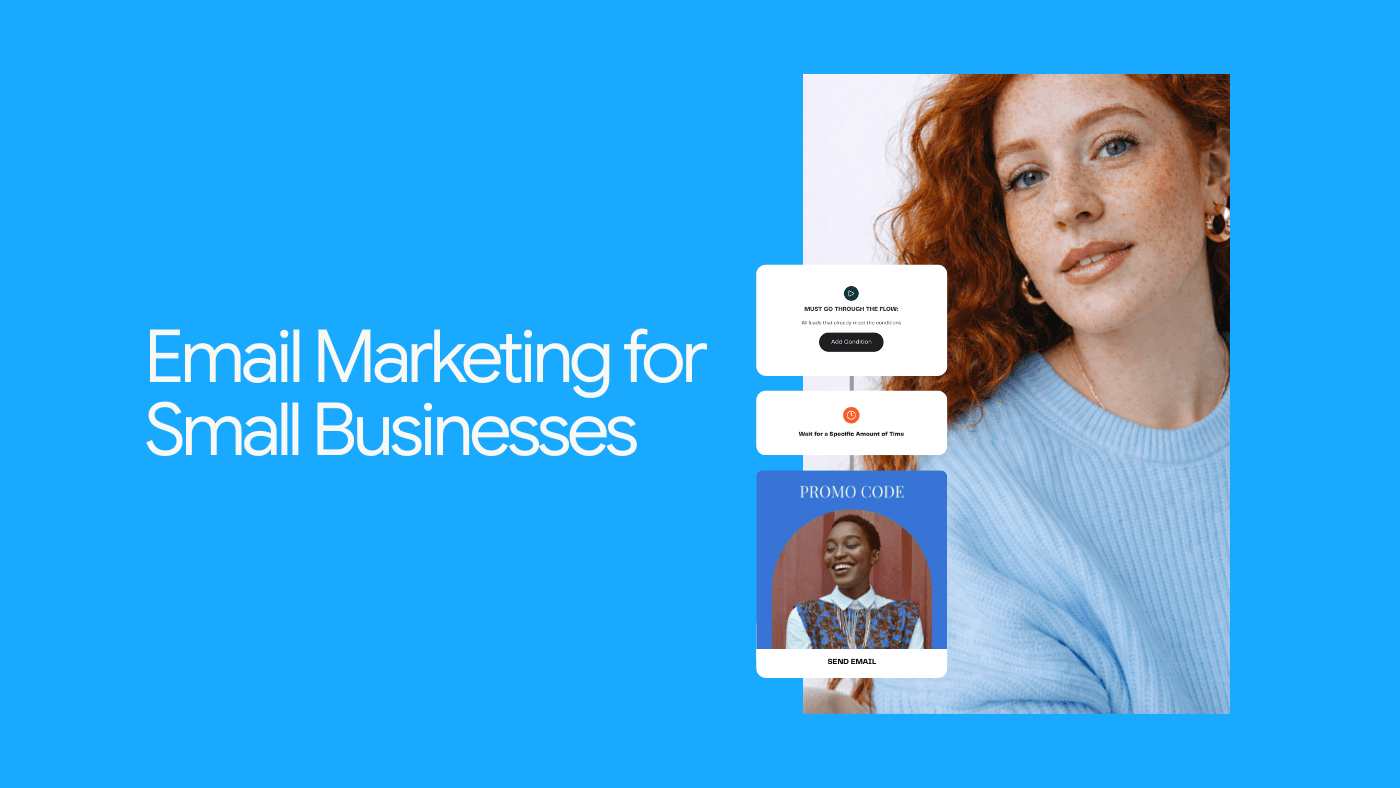
Some simple automations you can set up inside Brandset:
Welcome sequence
Triggered when someone joins your list:Email 1: “Here’s what you can expect + your promised freebie”
Email 2: One or two of your best pieces of content
Email 3: A light invitation into your core offer
Purchase follow-up
Triggered when someone buys:Thank you + how to get the most from what they bought
Check-in after X days
Soft introduction to the logical next product/service
Re-engagement flow
Triggered after, say, 90 days of no opens:“Still want to hear from us?” email
A last chance with a strong piece of value
Then either remove or downshift their frequency
You design it once; Brandset does the boring part forever.
9. Keep your emails lighter than you think
You are not writing a book in the inbox.
A few guidelines:
Aim for one main idea per email: If you catch yourself adding “while I’m here…” paragraphs, it probably belongs in a separate email.
Make it skimmable
Short paragraphs
Bullets
Clear subheadings
White space
Use your email as a bridge, not the whole experience
Share the core hook or story
Then link to the full blog post, video, podcast, sales page or case study
If you have a lot to say on a topic, make it a mini-series instead of one mega email. People are far more likely to read four 200-word emails than one 800-word block.
10. Let email and social boost each other
Email and social are not rivals. They’re different rooms in the same house.
Use each to feed the other:
From social → email
Pin a “join my list” post with a clear promise.
Use your Brandset landing pages as the link in bio.
Tease exclusive email-only bonuses or early access for subscribers.
From email → social
Add social icons in your footer (and tell people why to follow there: behind-the-scenes, lives, giveaways).
Occasionally send an email pointing people to a live session or challenge happening on Instagram, TikTok, YouTube, LinkedIn, etc.
You build community in public; you deepen it in the inbox.
11. Regularly clean your list (yes, even if it hurts)
A smaller, engaged list outperforms a huge, sleepy list every time.
Why cleaning matters:
It improves deliverability (fewer dead emails, fewer spam complaints).
It makes your metrics honest (you’re not “performing well” just because half your list never opens anything).
It keeps your energy focused on the people who are actually listening.
Practically, that means:
Removing subscribers who haven’t opened in a long time after a re-engagement attempt
Making it easy to unsubscribe
Considering a simple “update your preferences” option for people who want fewer emails, not zero
Think of it like editing: you’re not losing words, you’re sharpening the message.
Flex your email marketing muscle
Email marketing for a small business doesn’t have to feel like a full-time job or a dark art.
When you:
Put the subscriber at the center
Respect consent and the inbox
Use design and visuals intentionally
Segment and automate intelligently
Choose quality over vanity metrics
…email becomes something else entirely: a quiet but powerful engine behind your launches, your bookings, your sales and the relationships you build over years — not days.
Brandset was built exactly for that: a single place to design on-brand emails, collect subscribers, automate flows and keep things feeling simple, even when your list and offers grow.